This non-promotional medical education website has been developed by AstraZeneca and is intended for healthcare professionals outside of the US.

Think Aldo Logo
  • Home
  • Expert Network
  • Foundations of Aldosterone
    • Foundations of Aldosterone
    • What is Driving Difficult-to-Control Hypertension?
    • Aldosterone Pathophysiology: Mechanisms and Clinical Consequences
    • A Deep Dive into Aldosterone Dysregulation and its Impact
  • Scientific Resource Library
  • FAQs
  • Home
  • Expert Network
  • Foundations of Aldosterone
    • Foundations of Aldosterone
    • What is Driving Difficult-to-Control
      Hypertension?
    • Aldosterone Pathophysiology:
    • A Deep Dive into Aldosterone
  • Scientific Resource Library
  • FAQs


Aldosterone Pathophysiology: Mechanisms and Clinical Consequences 

This module explores aldosterone biology and signalling pathways, focusing on its direct effects on the vasculature, heart and kidneys. It examines how elevated levels of aldosterone can drive inflammation, fibrosis and tissue remodelling, contributing to cardiovascular and kidney damage beyond blood pressure elevation, and discusses how aldosterone dysregulation may be associated with adverse clinical outcomes.
Developed in collaboration with:
Hirotaka Shibata, Erika Jones, Luiz Bortolotto
and Rhian Touyz
Rate this module
Download Summary Slides

In this module, we will be covering the following...

Click a topic to jump to the section

  • Aldosterone in Health: Synthesis and Regulation
  • Aldosterone Action: MR-mediated and MR-Independent Pathways
  • Vascular Effects: Elevated Levels of Aldosterone and Vascular Injury
  • Cardiac effects: Elevated Levels of Aldosterone-Mediated Effects on the Heart
  • Kidney Effects: Structural Damage Beyond Electrolyte Homeostasis
  • Clinical Consequences: Cardiovascular and Kidney Outcomes Beyond Blood Pressure
Start Exploring


WATCH

Understanding the Pathological Role of Aldosterone
Join Professor Rhian Touyz as she unpacks the complex signalling pathways of aldosterone and explores the link between aldosterone activity and cardiovascular and kidney risk.

ALDOSTERONE IN HEALTH

Synthesis and Regulation

Aldosterone is a mineralocorticoid hormone produced by the enzyme aldosterone synthase (CYP11B2) in the zona glomerulosa of the adrenal cortex. CYP11B2 catalyses the final steps of aldosterone biosynthesis, converting steroid precursors into bioactive aldosterone that target tissues throughout the body.1
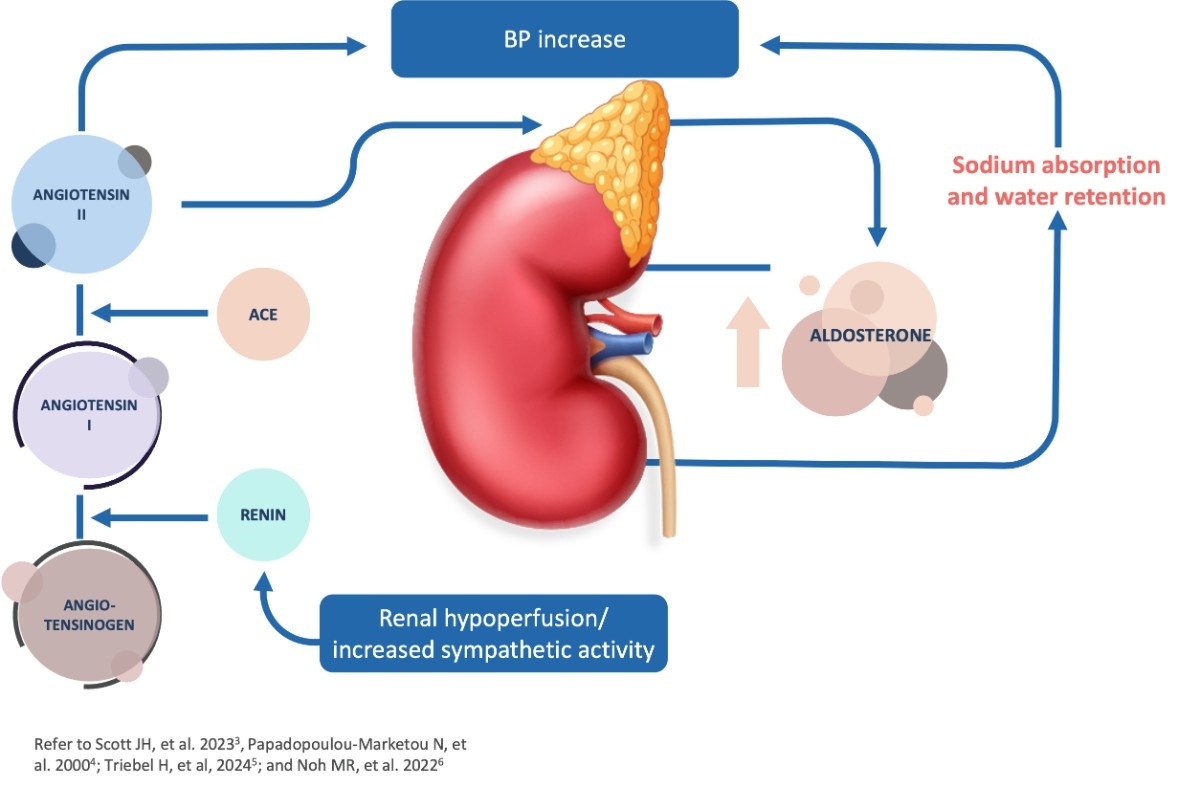
Aldosterone levels are tightly regulated as part of the renin–angiotensin–aldosterone system (RAAS) in response to changes in electrolyte balance, blood volume and perfusion pressure. Aldosterone secretion is primarily stimulated by angiotensin II and increased serum potassium concentration.1 Angiotensin II binds to its AT1 receptors on zona glomerulosa cells, activating signalling pathways that increase CYP11B2 expression and activity, which drives aldosterone synthesis.1 Physiologically, this RAAS-mediated regulation ensures that sodium balance, extracellular fluid volume and blood pressure are maintained during hypoperfusion or volume depletion.2
Precursors and Effects of RAAS Activation Infographic

Figure 1. Selected precursors and effects of RAAS activation3–6

ACE, angiotensin-converting enzyme; BP, blood pressure

In the kidney, aldosterone acts mainly on the late distal convoluted tubule, the connecting tubule and the collecting duct system of the distal nephrons, where it promotes:3
Sodium Icon
Sodium reabsorption
Water Retention Icon
Water retention and extracellular fluid expansion
Potassium Icon
Potassium excretion
PH Icon
Acid-base regulation, including increased bicarbonate (HCO3⁻) excretion and chloride reabsorption
Through these classical kidney actions, aldosterone supports the maintenance of circulating volume, as well as sodium and potassium homeostasis, forming the foundation of its essential physiological role.2

WATCH

How is Aldosterone Regulated as Part of the RAAS, and What Are its Key Actions in the Kidney?
Explore how aldosterone is regulated as part of the renin–angiotensin–aldosterone system (RAAS), and what the key actions are within the kidney. Developed in collaboration with Professor David Wheeler

ALDOSTERONE ACTION

MR–Mediated and MR–Independent Pathways


WATCH

How Does Aldosterone Exhibit its Effects on the MR and Non-MR Pathway, and What Are the Downstream Signalling Effects?
Discover how aldosterone exhibits its effecrs on the mineralocortoid receptor (MR) and non-MR pathway, and what the downstream signalling effects are. Developed in collaboration with Professor Michael Böhm

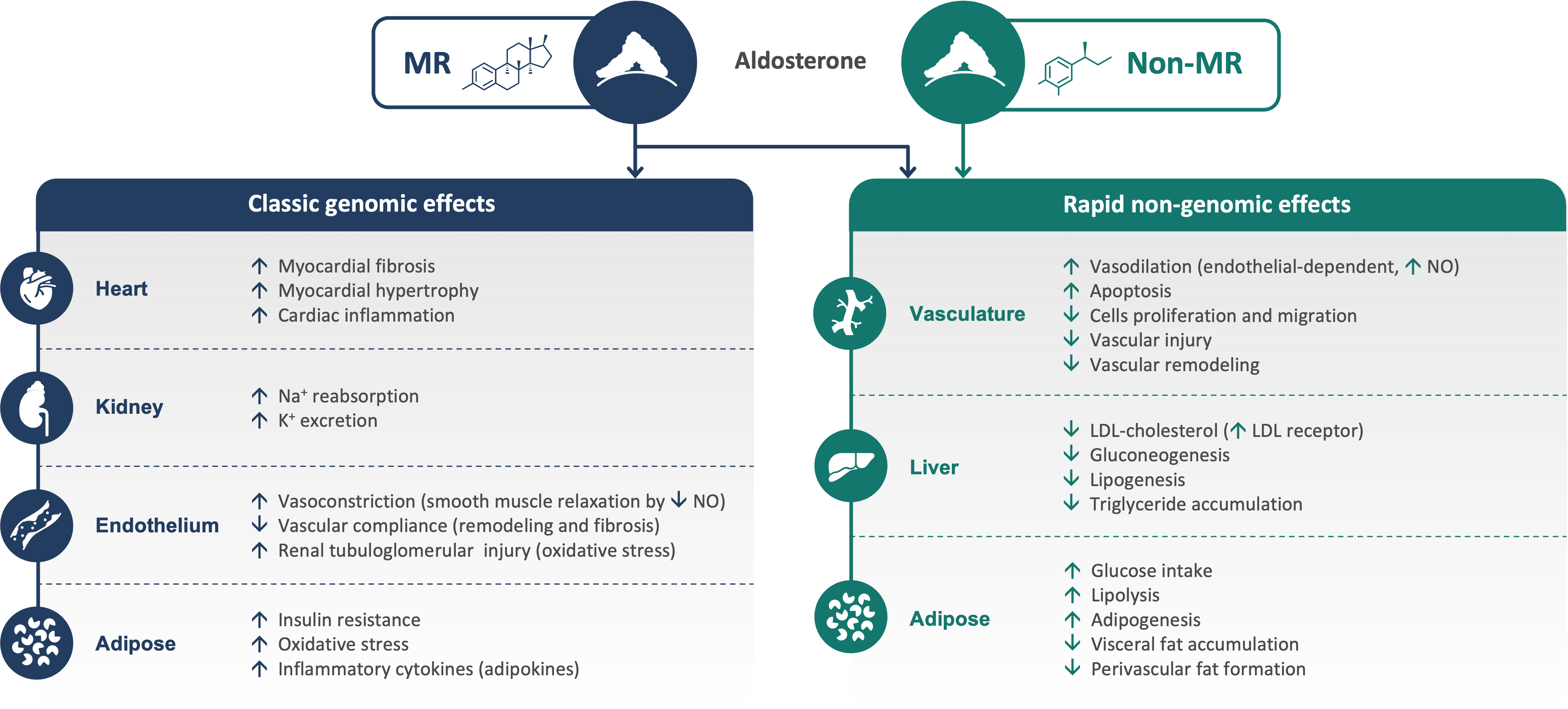
Physiologically, aldosterone acts primarily through MR-dependent pathways, which are typically termed genomic, while non-MR pathways are mainly associated with non-genomic effects.7–11 Aldosterone exerts its effects by binding to the MR, a ligand-activated transcription factor belonging to the nuclear receptor family. Upon activation, the aldosterone–MR complex translocates to the cell nucleus to regulate gene transcription, inducing effects after several hours.7,8
Beyond these classic genomic effects, aldosterone triggers rapid non-genomic responses that occur within minutes and do not require changes in gene transcription.8 These actions involve MR interactions at or near the cell membrane, where MR interacts with signalling complexes, including epidermal growth factor receptor (EGFR) and tyrosine kinase pathways, to influence downstream signalling.9 Non-genomic MR signalling induces intracellular calcium fluxes, activates kinases such as mitogen-activated protein kinases (MAPKs), and promotes oxidative stress, which can rapidly alter vascular tone and inflammatory responses, especially with high sodium intake.9,12
When aldosterone becomes pathogenic, its effects can act via both MR-dependent and non-MR pathways.10 There is growing evidence to suggest that aldosterone exerts MR-independent effects through alternative receptors and signalling pathways, including G protein-coupled receptors such as GPER1.8–10 These non-MR mechanisms are associated with tissue injury even when classical MR signalling is pharmacologically blocked, and may help explain why adverse effects can persist despite standard RAAS inhibition.13,14 However, evidence for GPER1 as an aldosterone receptor awaits further confirmation.
MR–Mediated and MR–Independent Pathways Infographic

Figure 2. Aldosterone exerts its effects through both MR and non-MR pathways10

K+, potassium; LDL, low-density lipoprotein; NO, nitric oxide;
Na+, sodium

In conditions in which aldosterone becomes pathogenic, the existence of these parallel MR-dependent and non-MR pathways positions aldosterone as a multifaceted effector of organ damage, capable of driving pathology through redundant and overlapping mechanisms.13 MRs are expressed not only in kidney epithelial cells but also in endothelial, vascular smooth muscle cells (VSMCs), cardiomyocytes and neurones, enabling aldosterone to exert direct effects on tissue structure and function across organ systems.1 Along with proposed non-MR–mediated effects, these broader actions include promotion of inflammation, oxidative stress, fibrosis and tissue remodelling, which contribute to cardiovascular and kidney pathology independently of systemic blood pressure changes,2 and will be outlined in more detail throughout this module. The next section explores how these pathways translate into structural and functional injury across the vasculature, heart and kidneys, showing how aldosterone biology links directly to end-organ damage.

VASCULAR EFFECTS

Elevated Levels of Aldosterone and Vascular Injury

Elevated Levels of Aldosterone and Vascular Injury Infographic

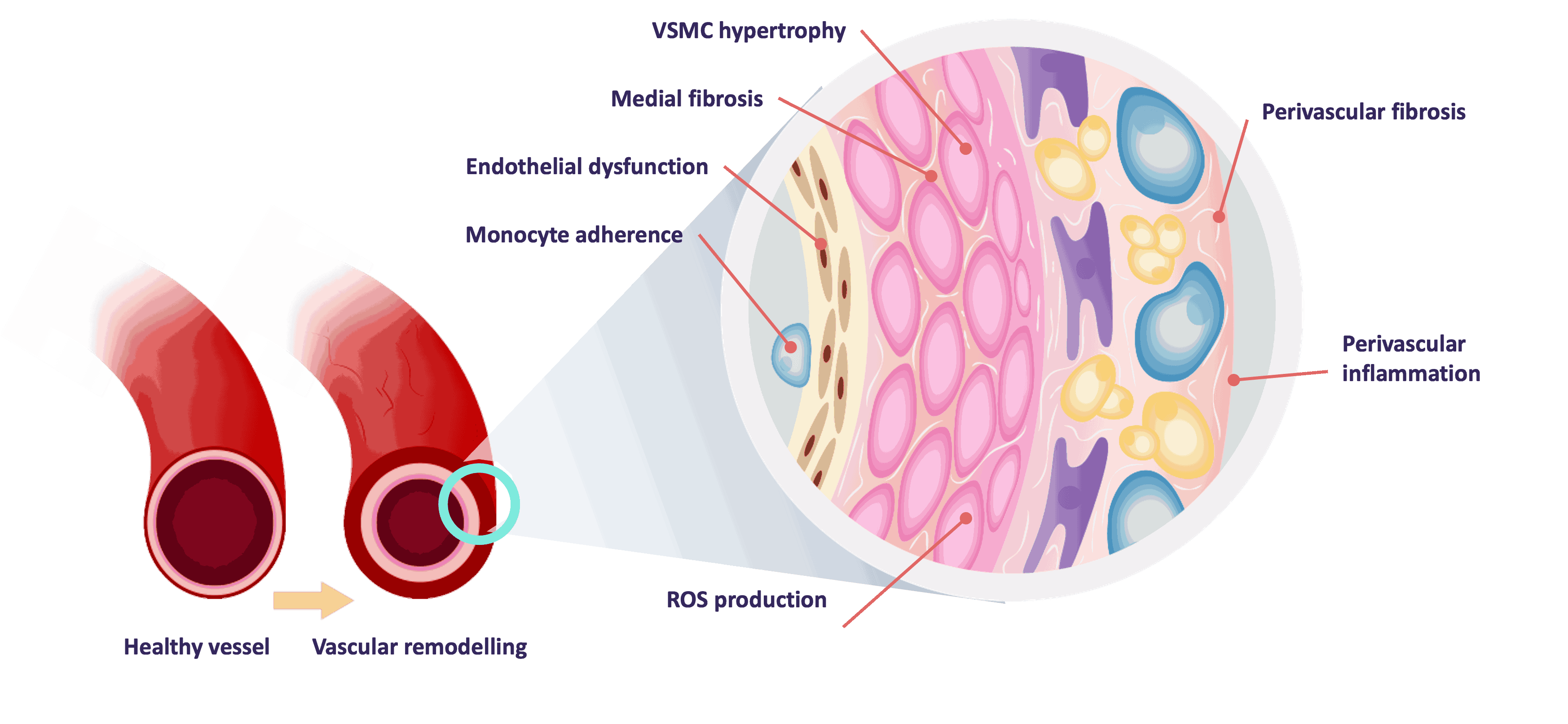
Figure 3. Selected effects associated with elevated levels of aldosterone in the vasculature11,15–19

ROS, reactive oxygen species; VSMC, vascular smooth muscle cell

Elevated levels of aldosterone exert direct pathological effects on the vasculature that extend beyond its role in blood pressure regulation. This relates to the fact that MRs are expressed in endothelial cells and VSMCs, enabling aldosterone to act directly on the vessel wall and influence vascular structure and function independently of systemic haemodynamic changes.8,11
In endothelial cells:
Aldosterone–MR activation promotes oxidative stress through increased generation of reactive oxygen species, leading to reduced nitric oxide bioavailability and impaired endothelium-dependent vasodilation.8,11 These changes are associated with endothelial dysfunction and impaired endothelium-dependent vascular responses.11
In VSMCs:
Elevated aldosterone activates MR-dependent signalling pathways, including MAPK cascades, increasing pro-inflammatory and pro-fibrotic mediators and extracellular matrix protein production; these changes drive vascular remodelling.8,11,15–19
Aldosterone-mediated MR activation has also been linked endothelial dysfunction and infiltration of inflammatory cells, enhancing the development of atherosclerotic plaque, and favouring plaque instability, arterial stiffness and calcification. Current evidence indicates that these vascular changes may be observed in individuals with newly diagnosed hypertension or normotension, high aldosterone and high aldosterone-to-renin ratio, suggesting that elevated levels of aldosterone contributes directly to vascular pathology rather than acting solely through haemodynamic mechanisms.8,15
Collectively, these findings demonstrate that elevated levels of aldosterone, via action on vascular endothelial and smooth muscle cells, can promote oxidative stress, inflammation, collagen deposition, fibrosis and consequent structural remodelling of the vasculature among other effects. These aldosterone-specific effects provide a mechanistic basis for its contribution to cardiovascular risk beyond blood pressure elevation or volume expansion.8,11,15
Next, we examine how similar aldosterone-driven mechanisms operate in cardiac tissue, contributing to myocardial fibrosis and structural heart disease that lead to heart failure, left ventricle hypertrophy or arrhythmias, such as atrial fibrillation.

CARDIAC EFFECTS

Elevated Levels of Aldosterone-Mediated Effects on the Heart

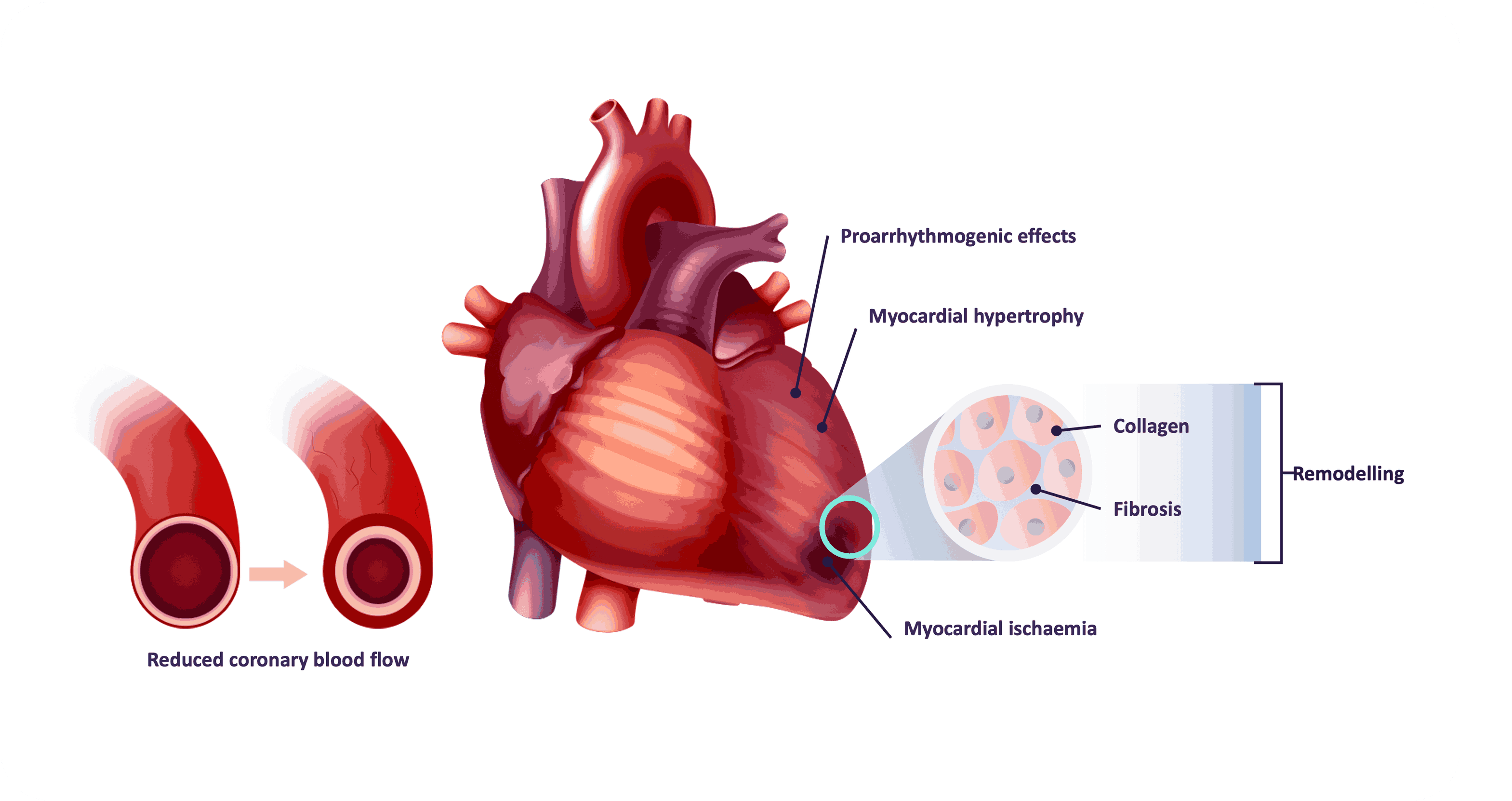
Elevated Levels of Aldosterone-Mediated Effects on the Heart Infographic

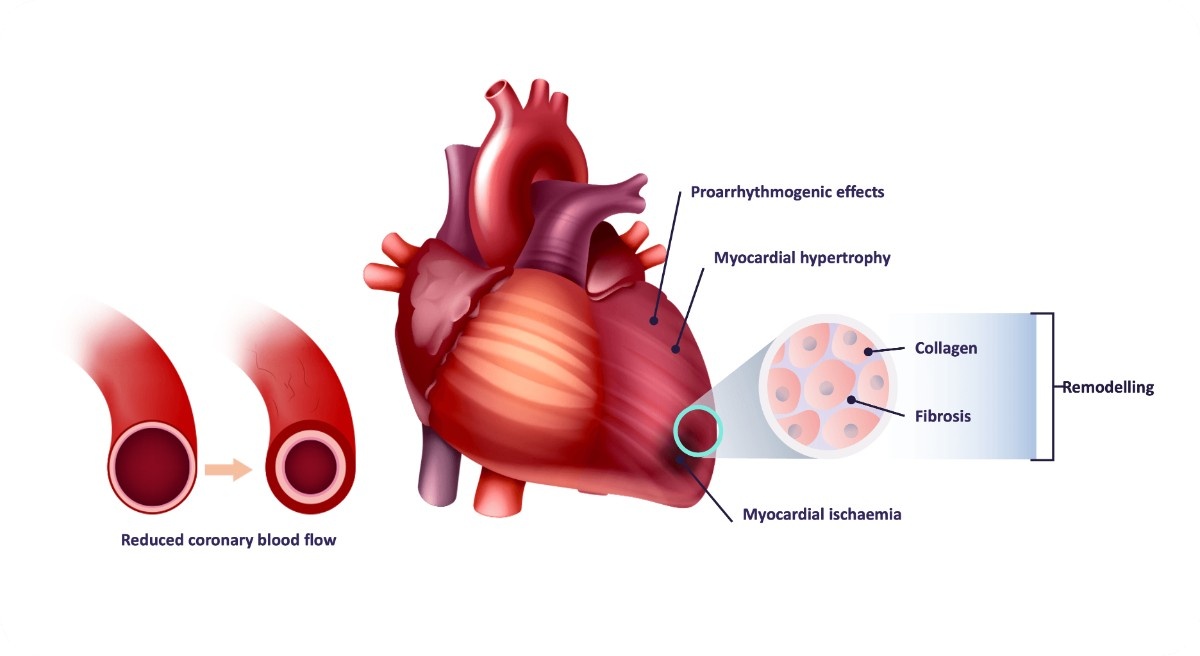
Figure 4. Selected effects associated with elevated levels of aldosterone in the heart8,14,15,20,21

Elevated levels of aldosterone can mediate cardiac injury, including coronary and perivascular inflammation, myocardial fibrosis, cardiomyocyte hypertrophy and electrophysiological changes, which raise arrhythmia risk.8 Experimental models show inflammation occurs early, preceding fibrosis, suggesting microvascular injury is a key initiating event.8 In a study with animal models, aldosterone in the presence of sodium triggered endothelial activation, immune cell infiltration and increased synthesis of inflammatory mediators, followed by progressive fibrosis. The MR antagonist (MRA) eplerenone partially reversed these findings with no significant blood pressure effects, highlighting elevated levels of aldosterone’s cardiotoxic role.8
Elevated levels of aldosterone are also associated with adverse left ventricle and left atrium remodelling.20,21 In a study on rats where a myocardial infarction was experimentally determined by ligation of the left coronary artery, eplerenone administration reduced the collagen deposition and the cardiac remodelling of the viable myocardium without affecting infarct healing.8 It acts on fibroblasts and cardiomyocytes, stimulating fibroblast proliferation, extracellular matrix production and hypertrophy.8 Electrophysiologically, aldosterone alters sodium, potassium and calcium fluxes, leading to QT prolongation, repolarisation changes and increased excitability, providing a mechanism for arrhythmias independent of hypokalaemia.8

KIDNEY EFFECTS

Structural Damage Beyond Electrolyte Homeostasis

Structural Damage Beyond Electrolyte Homeostasis Infographic

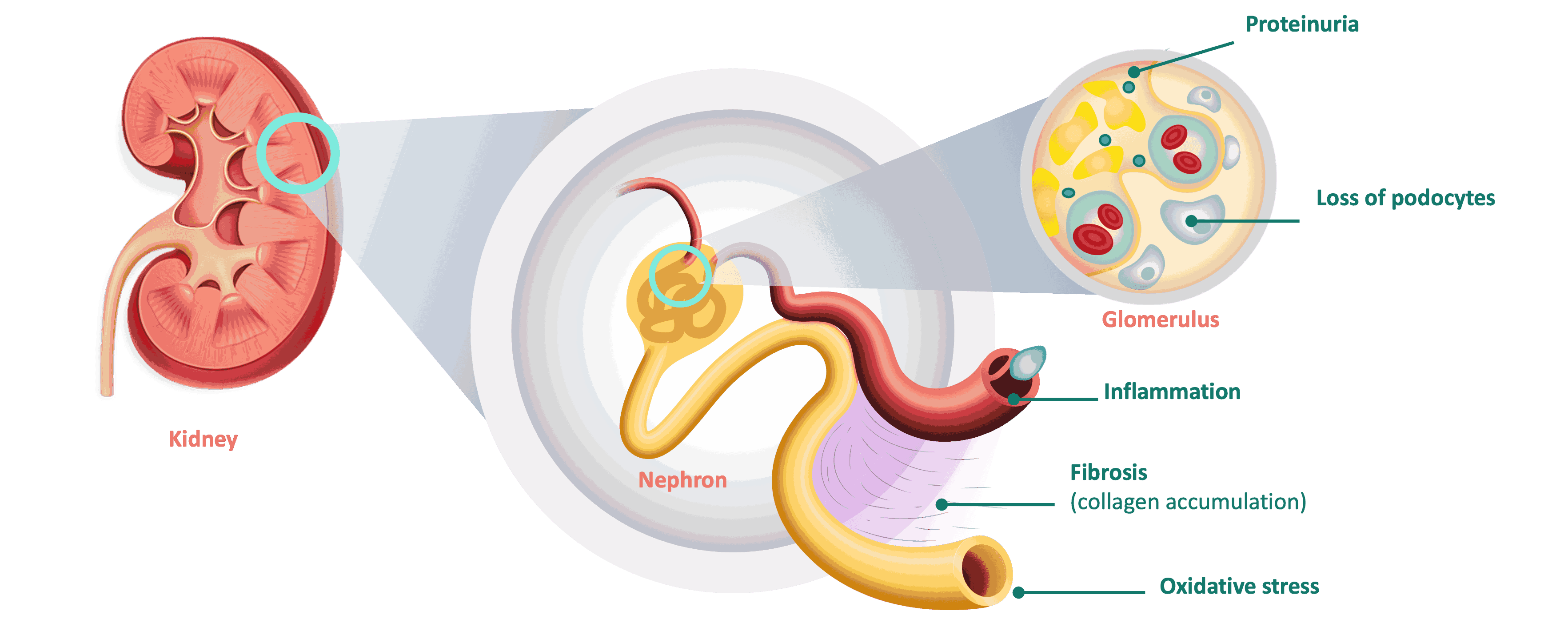
Figure 5. Selected effects associated with elevated levels of aldosterone in the kidneys8,11,22

Elevated levels of aldosterone are associated with direct deleterious effects on the kidneys, contributing to proteinuria, glomerular injury, podocyte loss, oxidative stress, inflammation, fibrosis and nephrosclerosis.8,11,22 Elevated levels of aldosterone also contribute to renal loss of magnesium and potassium.8 Early studies in animals, including deoxycorticosterone acetate (DOCA)-salt and hypertensive rat models, demonstrated that mineralocorticoid excess causes thrombotic microangiopathy, vascular inflammation, glomerular ischaemia, hyalinisation and capsular fibrosis, resulting in proteinuria.8
Mechanistically, elevated levels of aldosterone are associated with kidney injury through multiple mechanisms: activation of MRs in mesangial and collecting duct cells, induction of reactive oxygen species (ROS), and stimulation of inflammatory and fibrotic pathways via nuclear factor (NF)-κB, transforming growth factor (TGF)-β and connective tissue growth factor (CTGF).22 These processes induce podocyte damage, promote epithelial-to-mesenchymal transition and drive interstitial fibrosis, contributing to chronic kidney disease (CKD).8,22
Clinically, elevated levels of aldosterone-associated kidney injury manifests as progressive nephron loss characterised by initial glomerular hyperfiltration, followed by chronic hypoperfusion, sodium retention and podocyte-driven proteinuria. These processes contribute to CKD (culminating in uraemia in advanced stages) and accelerate cardiovascular complications through the development of cardiovascular and kidney syndrome.11,23 Importantly, current evidence show that MRAs reduce proteinuria, vascular injury and fibrotic remodelling, even in the absence of significant blood pressure lowering, highlighting aldosterone’s role as a direct mediator of kidney injury and a therapeutic target beyond haemodynamic control.8,11,23

Clinical Consequences

Cardiovascular and Kidney Outcomes Beyond Blood Pressure

Across vascular, cardiac and kidney tissues, elevated levels of aldosterone activate common pathogenic processes, including inflammation, oxidative stress and fibrosis, that converge to drive end-organ damage. These mechanisms link aldosterone signalling to adverse cardiovascular and kidney outcomes across disease states.8,11 Importantly, many of the excess aldosterone’s pathological actions may occur independently of blood pressure elevation.
Heart Icon
Cardiovascular outcomes
Excess aldosterone is associated with adverse cardiovascular outcomes, independent of blood pressure.20,21,24–26 For example, high aldosterone
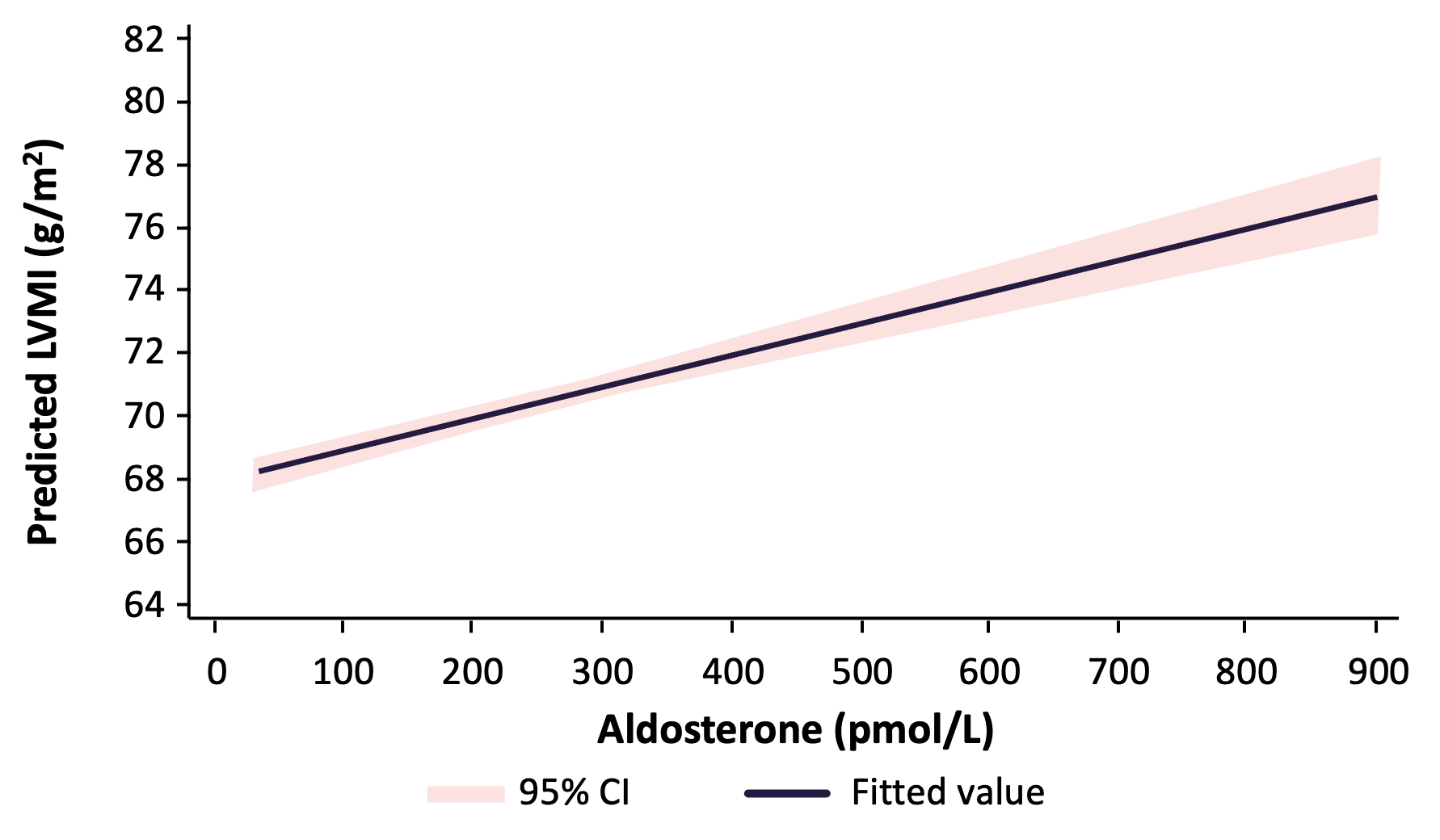
levels can impact left ventricular cardiac remodelling and function, even when blood pressure is controlled.20,21,24 In a longitudinal, population-based cohort study, aldosterone concentration was positively associated with left ventricular mass index in young males independent of systolic blood pressure, suggesting that aldosterone may contribute to early cardiac remodelling even before the development of overt hypertension or arterial stiffness.25
Association between excess aldosterone concentrations and LVMI among young males
Association Between Excess Aldosterone Concentrations And LVMI Among Young Males

Figure 6. Aldosterone concentration was positively associated with left ventricular mass index in young males at 27 years of age (β=0.009 [95% CI: 0.001, 0.017]; P=0.027)25

CI, confidence interval; LVMI, left ventricular mass index

In a systematic review and meta-analysis including around 3800 patients with primary aldosteronism (PA), the risk of coronary artery disease, atrial fibrillation, heart failure and stroke were around 2–3 times higher than for patients with primary hypertension after a median follow-up of 8.8 years.26 Also, patients with PA treated with MRAs remain at higher risk of cardiovascular outcomes compared with patients with primary hypertension, independent of blood pressure control, highlighting a pathogenic role of aldosterone that extends beyond its effects on blood pressure.27,28
•Adjusted hazard ratios (HR) for patients with PA treated with MRAs versus hypertensive controls include:28
Atrial fibrillation

HR: 1.93

(95% CI: 1.54, 2.42)

CV events

HR: 1.91

(95% CI: 1.63, 2.25)

Kidney Icon
Kidney outcomes
In the kidney, higher aldosterone concentrations in patients with CKD are independently associated with increased risk of adverse kidney outcomes.29 Patients in the highest quartile of serum aldosterone, relative to the lowest quartile, had an increased risk of:
CKD progression by29

45%

Developing end-stage kidney disease by29

46%

Similarly, patients with PA may experience an increased risk of CKD and a faster decline in estimated glomerular filtration rate (eGFR) compared with patients with primary hypertension, even when blood pressure is controlled.27
Liver Icon
Cardiometabolic implications
Emerging evidence suggests that excess aldosterone promotes cardiometabolic dysfunction by impairing insulin signalling in adipose tissue, skeletal muscle and the liver, contributing to insulin resistance and features of metabolic syndrome. Recent reviews describe aldosterone-induced disruption of glucose uptake and Akt pathways, linking MR activation to metabolic dysregulation beyond classical haemodynamic effects. MR antagonism in preclinical models has shown improvements in metabolic outcomes, further supporting aldosterone's role in metabolic disease pathogenesis.30
Cross Icon Representing Mortality
Mortality
Elevated aldosterone concentrations are also linked to increased mortality. In patients with coronary artery disease, those in the highest quartile of serum aldosterone had a:

58% higher risk


of cardiovascular mortality compared with the lowest quartile (1.58 vs 1.0, respectively, P=0.004)31
Similarly, in patients with CKD, those in the highest aldosterone quartile had a:

22% higher risk


of all-cause mortality (1.22 vs 1.0, respectively, P=0.07)29
Taken together, these data position aldosterone as a critical mediator of end-organ injury across cardiovascular and kidney systems and highlight the potential importance of pathways related to aldosterone beyond blood pressure control alone.
Summary
In summary, excess aldosterone drives inflammation, oxidative stress and fibrosis across cardiovascular, kidney and metabolic tissues, promoting adverse outcomes such as left ventricular remodelling, CKD progression, insulin resistance and increased mortality, highlighting the importance of pathway management to prevent end-organ damage.27–29

Ready to learn more about the mechanisms of aldosterone as a mediator of cardiovascular and kidney damage?

Module 2 has focused on how aldosterone causes tissue injury. Understanding why aldosterone activity becomes sustained and amplified in modern disease states, and how upstream pathways converge to drive its pathological effects, requires a broader examination of regulatory mechanisms and environmental influences. This is explored in Module 3.
Next ModulePrevious Module

  1. Ekman N, et al. Int J Mol Sci 2025;26:540
  2. Brown JM. J Am Heart Assoc 2024;13:e030142
  3. Scott JH, et al. Physiology, Aldosterone. In: StatPearls [Internet]. Treasure Island (FL): StatPearls Publishing. 2023
  4. Papadopoulou-Marketou N, et al. Hyperaldosteronism.
    In: Endotext [Internet]. South Dartmouth (MA): MDText.com, Inc. 2000
  5. Triebel
    H, Castrop H. Eur J Physiol 2024;476:705–713
  6. Noh MR, et al. Int J Mol Sci 2020;21:1647
  7. Chai W, et al. Br
    J Pharmacol
    2005;145:664–671
  8. Verhovez A, et al. Curr
    Signal Transduc Ther
    2012;7:132–141
  9. Dooley R, et al. Mol Cell
    Endocrinol
    2012;350:223–234
  10. Fioretti F, et
    al. J Am Coll Cardiol 2025;86:354–373
  11. Ding Q, et
    al. Pharmacol Res Perspect 2022;10:e00995
  12. Good DW. Hypertension 2007;49:728–739
  13. Verma S, et al. Am
    J Physiol Heart Circ Physiol
    2024;326:H670–H688
  14. Muñoz-Durango N, et al. Int J Mol
    Sci
    2016;17:797
  15. Buffolo F, et
    al. Hypertension 2022;79:1899–1911
  16. Briones AM, Touyz RM. Aldosterone/
    MR Signaling, Oxidative Stress,
    and Vascular Dysfunction. In: Harvey
    B, Jaisser F, eds. Aldosterone-
    Mineralocorticoid Receptor: Cell Biology to Translational Medicine. IntechOpen. 2019
  17. Pacurari M, et al. Int J Inflam 2014:689360
  18. Rocha R, et al. Am
    J Physiol Heart Circ Physiol
    2002;283:H1802–H1810
  19. Sherajee SJ, et
    al. Arterioscler Thromb Vasc Biol 2012;32:257–263
  20. Monzo L, et al. Eur J Heart
    Fail
    2023;25:1742–1752
  21. Varadarajan V, et al. Am
    J Hypertens
    2023;36:517–523
  22. Brem AS, et al. Am J Kidney
    Dis
    2011;58:471–479
  23. Ogata H, et
    al. Hypertension 2021;78:411–421
  24. van Rooyen JM, et al. Cardiovasc
    J Afr
    2020;31:130–135
  25. Ananda RA. Circulation 2024;150:2019–2030
  26. Monticone S, et
    al. J Hypertens 2018;36:e133
  27. Hundemer GL, et
    al. Hypertension 2018;72:658–666
  28. Hundemer GL, et al. Lancet Diabetes Endocrinol 2018;6:51–59
  29. Verma A, et al. Eur Heart J 2022;43:3781–3791
  30. Otsuka H, et al. Int J Mol
    Sci
    2023;24:5370
  31. Tomaschitz A, et al. Eur Heart
    J
    2010;31:1237–1247
  32. Feldman RD, et al. Can
    J Cardiol
    2023;39:1808–1815 
AstraZeneca Logo
Cookie Policy Legal Notice and Terms of Use Privacy Notice Contact Us Report Adverse Events

©2026 AstraZeneca. All rights reserved. Z4-80196 Last Updated May 2026

Module Contents
Aldosterone in Health: Synthesis and Regulation
Aldosterone Action: MR-mediated and MR-Independent Pathways
Vascular Effects: Elevated Levels of Aldosterone and Vascular Injury
Cardiac effects: Elevated Levels of Aldosterone-Mediated Effects on the Heart
Kidney Effects: Structural Damage Beyond Electrolyte Homeostasis
Clinical Consequences: Cardiovascular and Kidney Outcomes Beyond Blood Pressure

Think Aldo logo image

Welcome to Think Aldo

Welcome to Think Aldo, an expert-led initiative advancing knowledge and science around an often overlooked driver of hypertension and cardiovascular and kidney disease: aldosterone.1,2

This website provides the latest scientific insights and educational resources, curated by a network of experts, and is intended for healthcare professionals.

Are you a healthcare professional?

I am not a healthcare professional I am a healthcare professional

This non-promotional medical education website has been developed by AstraZeneca and is intended for healthcare professionals outside of the US.
 

References
1 Papadopoulou-Marketou N, et al. Hyperaldosteronism. In: Endotext [Internet]. South Dartmouth (MA): MDText.com, Inc. 2000
2 Vaidya A, et al. Am J Hypertens 2022;35:967–988
AZ-logo
Legal Notice and Terms of Use Privacy Notice Contact Us Report Adverse Events

©2026 AstraZeneca. All rights reserved. Z4-80196 Last Updated May 2026