This non-promotional medical education website has been developed by AstraZeneca and is intended for healthcare professionals outside of the US.

Think Aldo Logo
  • Home
  • Expert Network
  • Foundations of Aldosterone
    • Foundations of Aldosterone
    • What is Driving Difficult-to-Control Hypertension?
    • Aldosterone Pathophysiology: Mechanisms and Clinical Consequences
    • A Deep Dive into Aldosterone Dysregulation and its Impact
  • Scientific Resource Library
  • FAQs
  • Home
  • Expert Network
  • Foundations of Aldosterone
    • Foundations of Aldosterone
    • What is Driving Difficult-to-Control
      Hypertension?
    • Aldosterone Pathophysiology:
    • A Deep Dive into Aldosterone
  • Scientific Resource Library
  • FAQs


Foundations of Aldosterone

Find out more about the role of the aldosterone in
hypertension and cardiovascular and kidney disease through the educational modules below
This three-part series explains why hypertension can be difficult to control and the role aldosterone plays.
BP Machine Representing Difficult-to-Control HypertensionBP Machine Representing Difficult-to-Control Hypertension
MODULE 1

What is Driving Difficult-to-Control Hypertension?

This module outlines the global burden of hypertension and also describes the persistent challenge of uncontrolled and difficult-to-control hypertension. It introduces the complex, multifactorial pathophysiology of blood pressure dysregulation and highlights new understandings of aldosterone as a key contributor
to hypertension that is difficult to control.
Explore Module

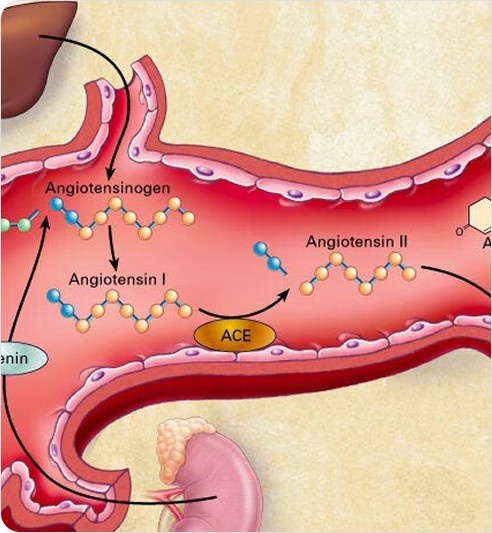
Aldosterone Pathophysiology IllustrationAldosterone Pathophysiology Illustration
MODULE 2

Aldosterone Pathophysiology: Mechanisms and Clinical Consequences

This module explores
aldosterone biology and
signalling pathways, focusing on its direct effects on the
vasculature, heart and kidneys. It examines how elevated levels of aldosterone can drive
inflammation, fibrosis and tissue remodelling, contributing to cardiovascular and kidney
damage beyond blood pressure elevation, and discusses how aldosterone dysregulation may be associated with adverse clinical outcomes.
Explore Module

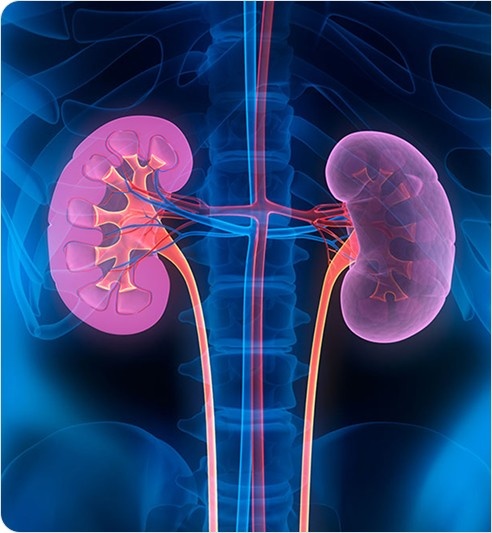
Kidney Image Representing Aldosterone Dysregulation ImpactKidney Image Representing Aldosterone Dysregulation Impact
MODULE 3

A Deep Dive into Aldosterone Dysregulation and its Impact

This module explores the
clinical situations in which
different pathological forms of aldosteronism contribute to hypertension and cardiovascular and kidney harm across diverse clinical settings. It highlights aldosterone
dysregulation as a continuum and explores additional
pathways that may amplify its harmful effects.
Explore Module

AstraZeneca Logo
Cookie Policy Legal Notice and Terms of Use Privacy Notice Contact Us Report Adverse Events

©2026 AstraZeneca. All rights reserved. Z4-80196 Last Updated May 2026

Think Aldo logo image

Welcome to Think Aldo

Welcome to Think Aldo, an expert-led initiative advancing knowledge and science around an often overlooked driver of hypertension and cardiovascular and kidney disease: aldosterone.1,2

This website provides the latest scientific insights and educational resources, curated by a network of experts, and is intended for healthcare professionals.

Are you a healthcare professional?

I am not a healthcare professional I am a healthcare professional

This non-promotional medical education website has been developed by AstraZeneca and is intended for healthcare professionals outside of the US.

 

References
1 Papadopoulou-Marketou N, et al. Hyperaldosteronism. In: Endotext [Internet]. South Dartmouth (MA): MDText.com, Inc. 2000
2 Vaidya A, et al. Am J Hypertens 2022;35:967–988
AZ-logo
Legal Notice and Terms of Use Privacy Notice Contact Us Report Adverse Events

©2026 AstraZeneca. All rights reserved. Z4-80196 Last Updated May 2026